
YouTube Studio Traffic Sources: How to Check After Promotion
YouTube Studio traffic sources show you whether paid promotion came from official YouTube advertising or junk traffic.
How to Check YouTube Studio Traffic Sources After Promotion
If you paid for promotion, the public view count is not the proof. YouTube Studio traffic sources are.
That report shows how people reached your video. It tells you whether the campaign came through official YouTube advertising, search, suggested videos, or outside traffic that looks busy and does nothing. Once you know how to read it, you can stop guessing and start judging promotion on evidence.
This guide shows you exactly where to look, what each source means, and what a real campaign should look like.
Why YouTube Studio Traffic Sources Matter
YouTube does not treat every view the same.
A viewer who arrived through an official ad, watched a decent amount of the video, and then clicked another video on your channel is useful. A viewer who appeared for two seconds from an unexplained source is not. Both can raise the public counter. Only one can help the video keep moving after the campaign ends.
That is why traffic sources matter more than a screenshot of “views went up.”
If you want promotion that can support long-term growth, the main paid source should be official advertising. That is the method we use at YouTube Video Promotion.
Where to Find Traffic Sources in YouTube Studio
Use this path on desktop:
- Open YouTube Studio
- Click Content
- Open the video you promoted
- Click Analytics
- Open the Reach tab
- Scroll to Traffic source
You can also check the channel-level report under Analytics → Reach → Traffic source types.
Set the date range to the campaign dates, plus two or three days after it ended. Do not judge a seven-day campaign on a 90-day graph. You will bury the signal.
What Each Traffic Source Means
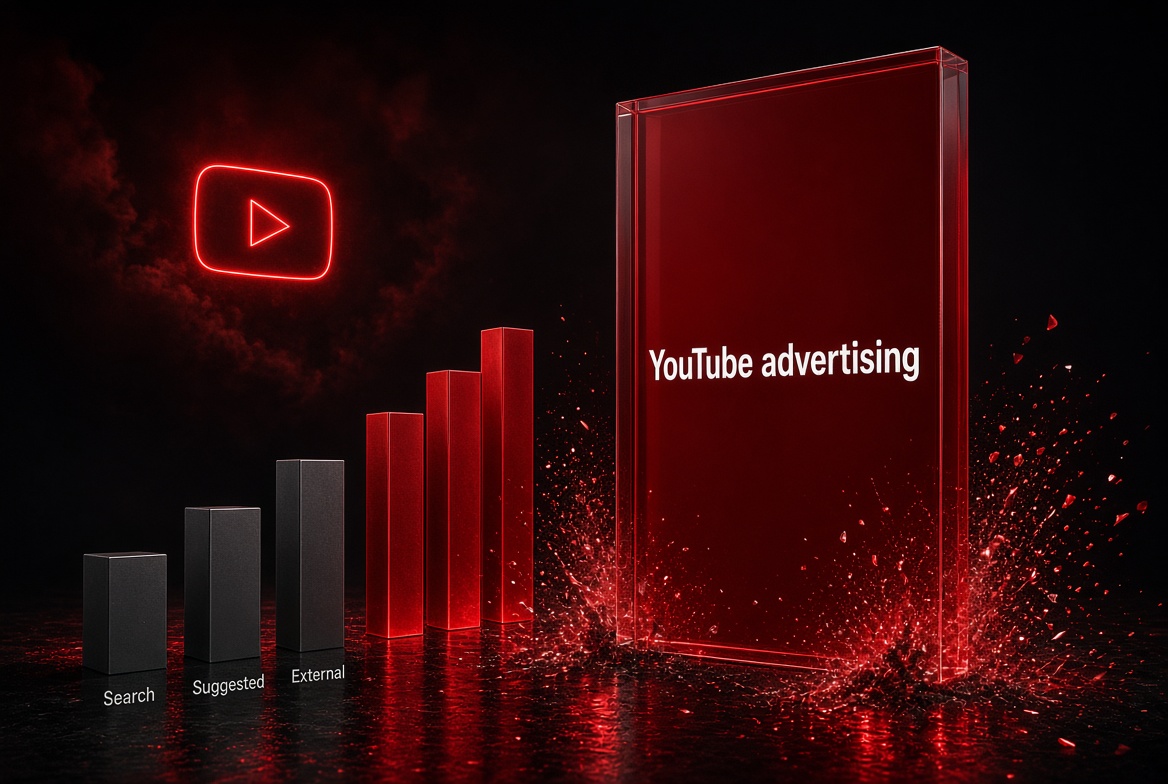
YouTube advertising
This is the source you want after a legitimate paid campaign.
If a company ran official Google Ads TrueView or Discovery ads, YouTube advertising should rise during the campaign window. That label is specific. It means the traffic came through YouTube’s own ad system.
If a service promised real promotion and this source barely moves, the views did not come from official ads.
Suggested videos
This is one of the most valuable organic sources. It means YouTube showed your video after someone watched something else.
A useful campaign can help this source grow after the paid burst, especially when people actually watch. That delayed lift is often more important than the raw paid number.
YouTube search
This means people typed a query into YouTube and clicked your video. It is a strong long-term source. It rarely explodes overnight just because you spent money.
Browse features
This includes Home and other discovery surfaces. Worth watching, but slower to judge.
External
This can include websites, social posts, emails, and embeds. External traffic is not automatically bad. A blog post, an email, or your own site can send real people.
It becomes a warning sign when a “promotion company” delivers almost everything as External, Direct, or Unknown and nothing as YouTube advertising.
Direct or unknown
Treat this with caution. Some genuine traffic lands here. A sudden spike with no advertising source and weak watch time is not a good sign.
What a Real Campaign Should Look Like
A clean TrueView campaign usually follows a simple pattern:
- YouTube advertising rises while the campaign is live
- Average view duration stays reasonable for the length of the video
- Some viewers continue to another video on the channel
- After the campaign, Suggested or Search may lift a little if the content is strong
It will not look like 20,000 views in two hours and then silence.
Official ads take time to approve, learn, and deliver. That is normal. Instant delivery is not. If you want the broader reason YouTube still outperforms short-burst platforms, read Why YouTube Is the Best Platform for Promotion.
How to Compare Paid Traffic With Organic Traffic
Do not read one number on its own.
Check these together:
- Traffic source
- Unique viewers
- Average view duration
- Impressions and click-through rate
- Subscribers gained from that video
- Whether viewers watched another video afterwards
A campaign can add views and still be poor if nobody stays. A smaller campaign can be better if the audience was relevant.
This is also why cheap view packages are risky. They may inflate the counter without helping the sources that actually grow a channel. The warning signs are covered here: Red Flags YouTube Video Promotion.
A Simple Check After Every Campaign
Use this after the campaign has had a few days to deliver:
- Open the promoted video in Studio
- Set the date range to the campaign dates plus three days
- Confirm YouTube advertising is visible
- Compare average view duration with the video length
- Check if Suggested videos moved afterwards
- Save a screenshot of the traffic sources report
That screenshot is more useful than a promise in a sales email.
If the company cannot explain why YouTube advertising is missing, do not order again.
Common Mistakes When Reading the Report
Looking too early
Ads can take time to start. Check after delivery has actually begun, not one hour after payment.
Using the wrong date range
If you include weeks before the campaign, the paid source looks smaller than it was.
Judging only total views
A video can gain views and lose strength at the same time if watch time is weak.
Ignoring what happens after the spend stops
The best campaigns leave a little organic lift behind. The worst ones leave a spike and a flat line.
Assuming External means success
External can be real. It can also be the hiding place for low-quality traffic. Always compare it with YouTube advertising and watch time.
What This Means If You Are Choosing a Service
Ask one question before you pay:
Will this show up as YouTube advertising in Studio?
If the answer is vague, walk away.
A professional service should use official Google Ads, target a real audience, and expect the report to match that method. If you want a full checklist before hiring anyone, use How to Choose a YouTube Video Promotion Service.
The goal is not the biggest number on the public view count. The goal is traffic YouTube recognizes as real advertising, plus viewers who actually watch.
How We Approach This
At YouTubeVideoPromotion.com we run official TrueView campaigns only. That means the views should appear through YouTube’s advertising system, not through bots, click farms, or unexplained outside traffic.
Packages start from $100. See the options here:YouTube Video Promotion packages
Final Takeaway
YouTube Studio traffic sources are the proof.
If promotion was real, YouTube advertising should show up. If the count jumped and that source did not, you did not buy the thing you thought you bought.
Check the report. Save the screenshot. Judge the campaign by source and watch time, not by the public counter alone.
That one habit will save you money and protect the channel.